Roof rat trapping and structural exclusion addresses the invasive behaviors of Rattus rattus, a species thriving within the dense citrus canopies and architectural rooflines of Maricopa County. Properties in Arcadia,…
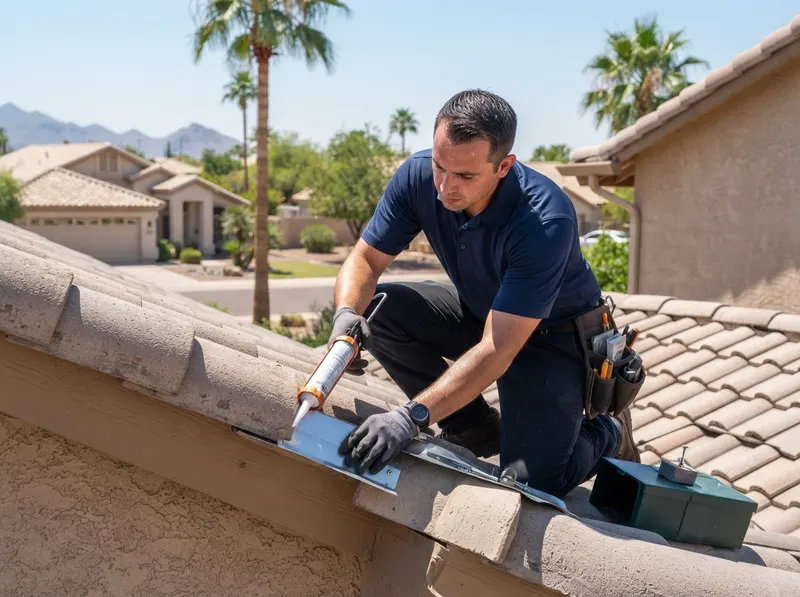
Roof rat trapping and structural exclusion addresses the invasive behaviors of Rattus rattus, a species thriving within the dense citrus canopies and architectural rooflines of Maricopa County. Properties in Arcadia, the Biltmore Area, and North Central Phoenix face high exposure due to mature orange and grapefruit trees alongside interconnected utility lines. Roof rats access attic insulation by climbing stucco walls, decorative trellises, and overhanging oleander branches, entering openings as narrow as 0.5 inches (the width of a nickel). Structural exclusion physically terminates this access by sealing construction gaps along fascia boards, dormers, clay tile roof underlayments, and AC line set chases with 1/4-inch 16-gauge galvanized hardware cloth. Trapping without exclusion permits exterior rats to repopulate the insulation within weeks, whereas exclusion without mechanical trapping traps live rodents inside attic cavities to cause structural and electrical damage.
Mechanical snap trapping is deployed within attics, drop ceilings, and crawlspaces, keeping non-target native wildlife and domestic pets safe from secondary rodenticide poisoning near South Mountain Park and Preserve, Piestewa Peak, and Papago Park. Rodenticides are excluded from indoor attic voids because poisoned rodents often perish inside inaccessible wall cavities, creating odor issues and fly infestations under desert heat exceeding 105 degrees Fahrenheit. A complete trapping protocol consists of pre-baiting traps with expanding attractants, setting high-density trap runs along active urine-marked structural rafters, and monitoring bait stations every 48 to 72 hours until zero activity is detected across a consecutive 5-day cycle.
Structural modifications in older architectural structures like Willo Historic District bungalows or Encanto Village homes require custom mortar packings, tile stops, and heavy-gauge wire mesh tailored to historic preservation rules. Modern tile roofs in Desert Ridge, Paradise Valley Village, and Ahwatukee Foothills require eave-closure installation and lead flashing shields around solar panel standoffs and plumbing vent stacks. Single-story slab construction in Maryvale Terrace often requires foundational weep-screed screens and garage door bottom seal replacements using steel-reinforced weatherstripping. Sealing these entry conduits eliminates entry routes while preserving required attic ventilation airflow specifications under Maricopa County building codes.
Every job gets a firm, written price after a free on-site visit.
Tell us about your roof rat trapping & structural exclusion job in Phoenix and we'll send a clear, written quote, usually the same day.
 PestWatch Pest Control